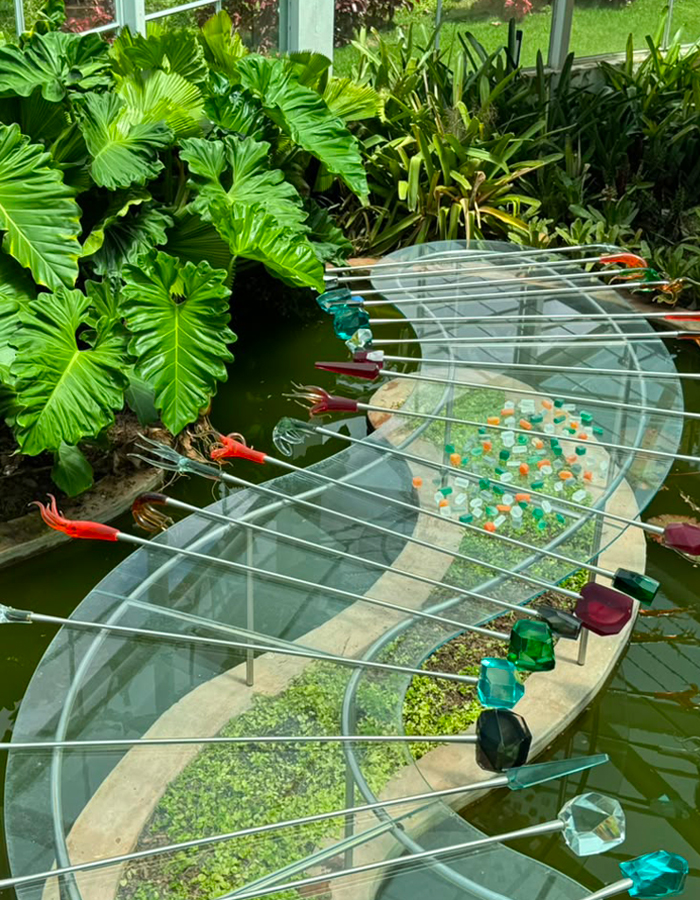
Art is the heart of Usina de Arte's socioeconomic development project. It is the driving energy that brings the community together in a movement that transforms the territory, ways of seeing, and above all, people.
At the Usina, the relationship with art begins long before a work takes its place in the park. In many cases, it begins when the artist arrives to get to know the place. They walk through the village, learn the history of the old mill, observe the landscape, talk with the people who live here, and seek to understand the marks, conflicts, memories, and possibilities of this territory.
It is from this immersion that the proposal for an installation is born, one that will occupy an area of the Usina. The process of making the work, almost always carried out right here, also becomes a space for encounter. As the work takes shape, conversations, questions, and exchanges arise about the artist's thinking, their choices, and the way the piece will fit into the landscape.
This process brings art closer to people. It brings creation within reach and turns what might seem distant or inaccessible into a shared experience. Curiosity awakens, the desire to experiment emerges, and new possibilities begin to be imagined. It is no coincidence that two artists from the community itself already have works in the Art and Botanical Park.
Even when a work is acquired or donated and arrives at the Usina after being conceived in another context, it does not remain the same. Installed in rural Pernambuco, in a territory historically shaped by sugarcane monoculture, it forges new relationships with the landscape, with history, and with those who look at it. The place transforms the work, too.
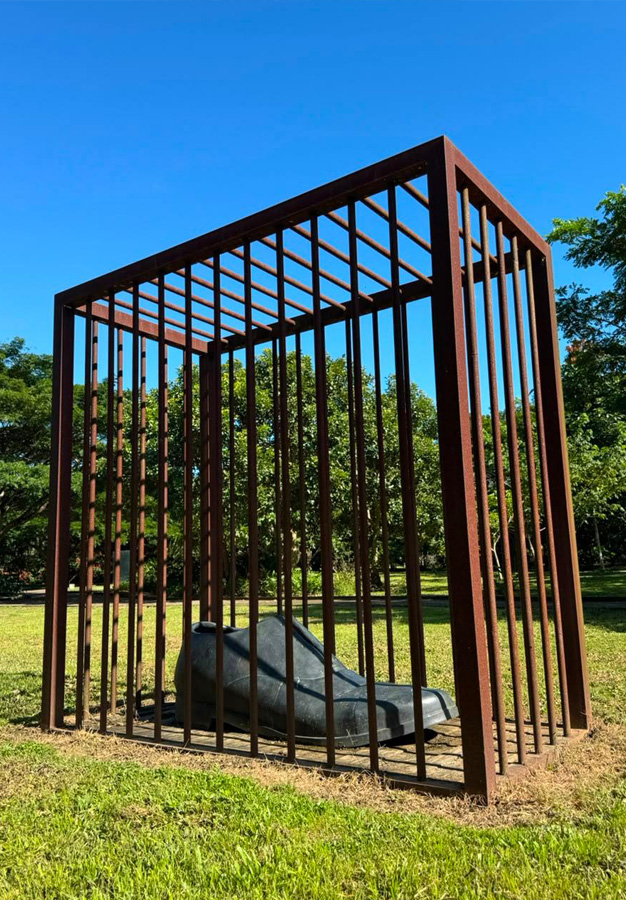
An installation does not offer answers. It opens paths. Before a sculpture, there is no right or wrong, nor a single possible reading. Each gaze brings its own interpretation, and different interpretations coexist without hierarchy. This seemingly simple exercise has a rare power: it dissolves rigid oppositions, disarms binary thinking, and teaches us to live with doubt and difference. It is an experience of freedom.
Here, this experience happens in the open air and is part of everyday life. Art is on the way home, on the walk to school, in the garden people pass through every day. Living alongside the works over time gradually changes the way residents see the place where they live and what that place might become.
Taking part in this process also creates a sense of belonging. When people follow the making of a work, talk with the artist, recognize their own community in the process, or realize that their experiences and ways of seeing also have value, something shifts: self-esteem grows, the bond with the territory grows stronger, and so does the sense that it is possible to take part in building new futures.
It is in this shift of perspective that all development begins: when what once seemed impossible to imagine becomes part of everyday life; when creativity is no longer the privilege of a few and becomes a shared experience; when a community begins to recognize, in the place where it lives, not only the history it inherited but also the stories it can still build.
By transforming the way people perceive the world, art also expands the possibilities of the future.
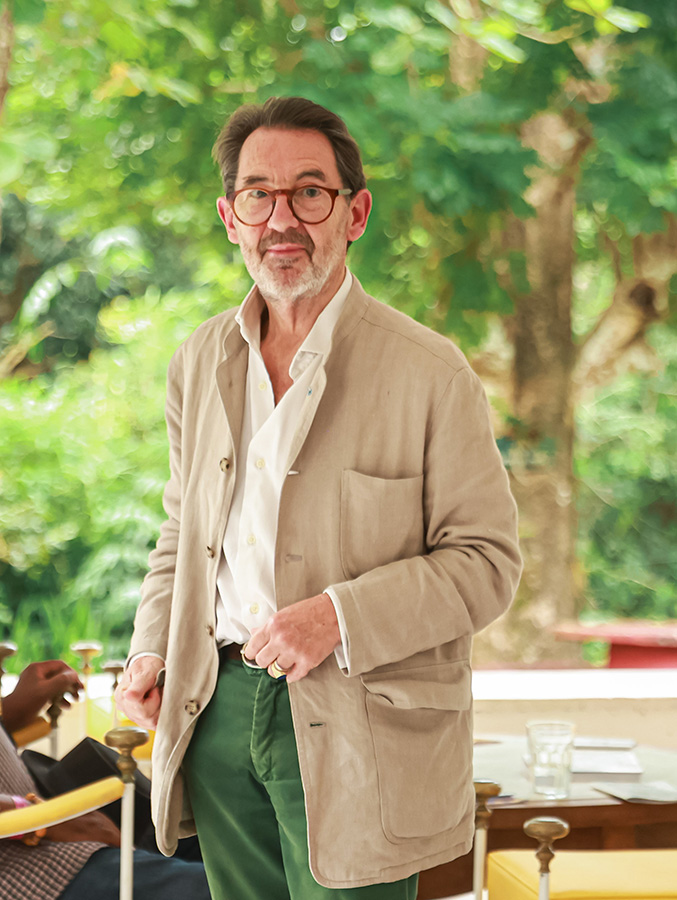
If we had to sum up Usina de Arte in one word, it would be: engagement.
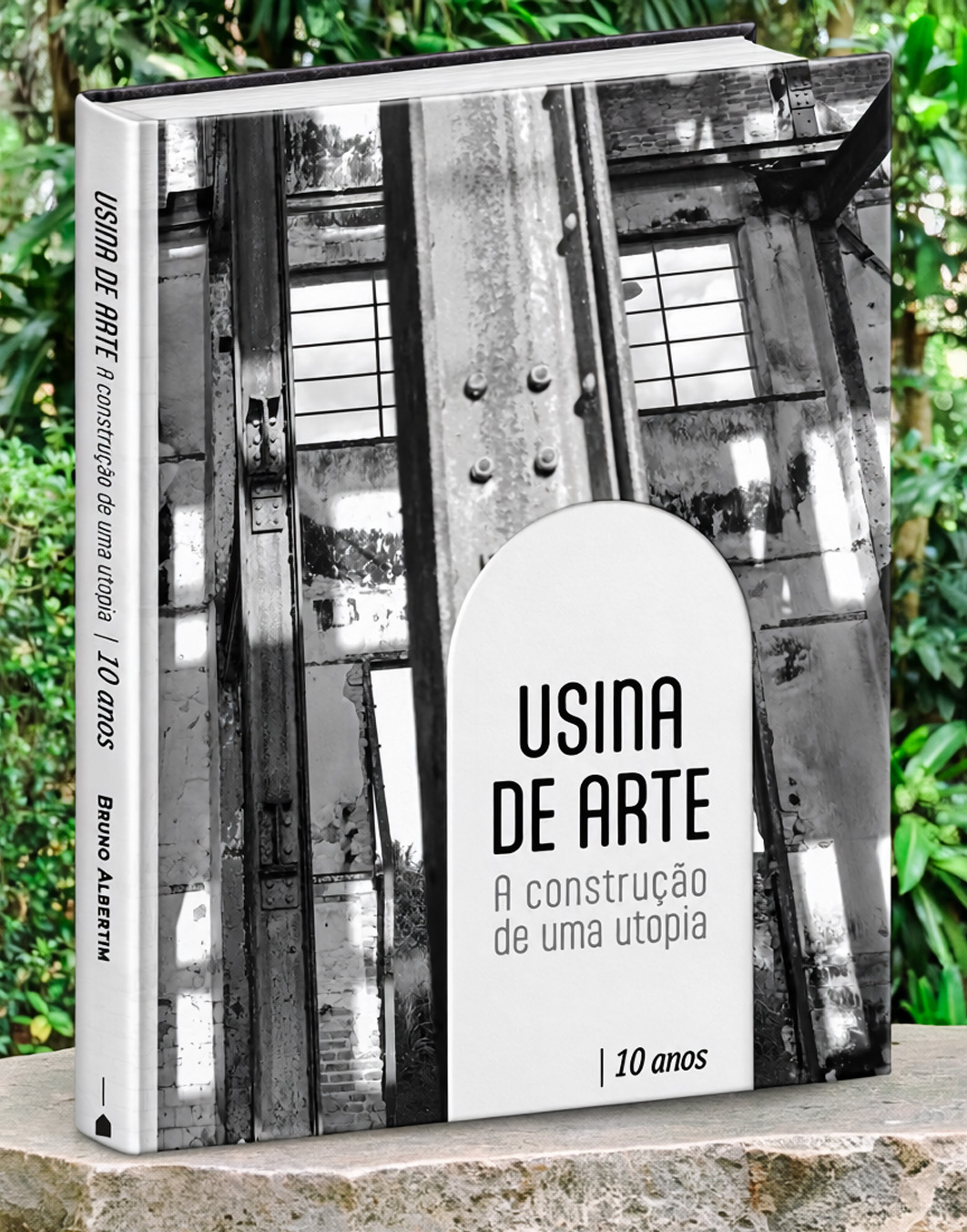
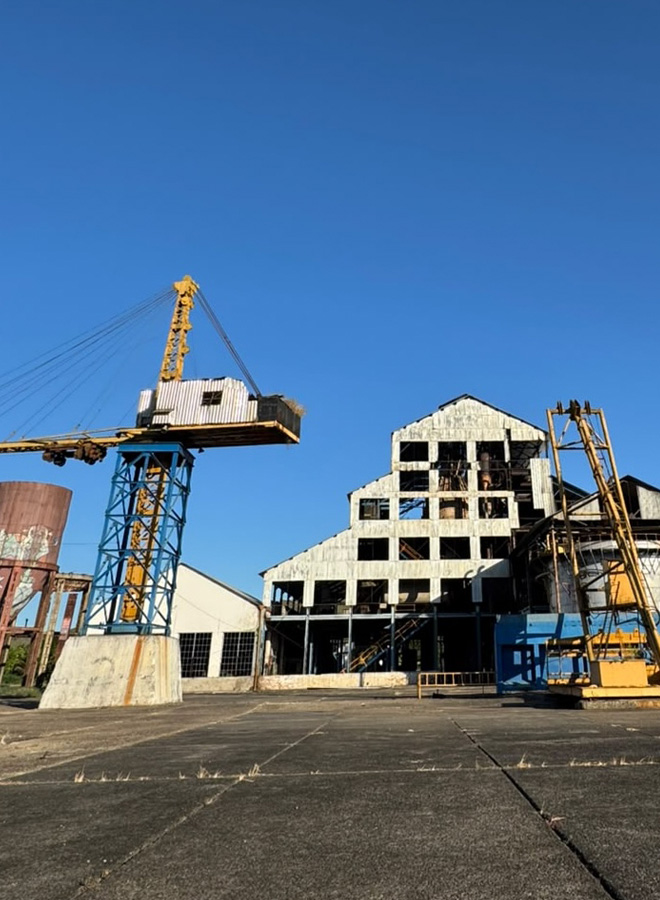
Above all, the transformation of the former family sugar mill in Santa Terezinha, Água Preta, Pernambuco, stems from Bruna and Ricardo Pessôa de Queiroz's commitment to giving this mill a new purpose, along with the community that shaped its history. The site's revitalization takes shape through art, as artists are invited to create works related to the “historic” places of this region of Pernambuco. The village adjoining the mill is an integral part of the plans for its rebirth. This engagement with the community is reflected in an educational, cultural, scientific, and musical program that unfolds in the botanical park, where the sculptures are installed, as well as in the distillery, the library, the music center, and the village itself.
The strength of this sculpture park lies in its well-defined narrative and its philosophical stance. While most of the works result from artist residencies in which the artists conceived their projects on site and expressed their visions, the sculptures acquired alongside them complement the engaged messages conveyed by Usina de Arte, spanning all the major themes of our civilization. To name a few examples: Alfredo Jaar's neon phrase by Antonio Gramsci speaks of cultural hegemony, a message that does not contradict that of Paulo Bruscky; Anne and Patrick Poirier's sculptural installation is timely and a metaphor for human megalomania; Artur Lescher's circular frame invites us to see the world from another angle; Bené Fonteles and Flávio Cerqueira address the question of African heritage; Carlos Vergara, Camille Kachani, Denise Milan, Hugo França, and Matheus Rocha Pitta speak of nature and its becoming in the age of the Anthropocene; Claudia Jaguaribe's benches portray the history of the mill and of Pernambuco; Geórgia Kyriakakis speaks of borders; Frida Baranek stages military-industrial waste; José Rufino and Julio Villani immerse us in the history of sugarcane culture; in the great tradition of Gustave Courbet's The Origin of the World, Juliana Notari offers an immersive take on the place of women in society; Liliane Dardot revisits the flight of minorities from the Northeast; Marina Abramović delves into the history of the Northeast and offers her restorative mausoleum; Marcelo Silveira gives us the chance to enter the house of the mill's former coronel; Marcio Almeida evokes civil disobedience through metaphor; Paulo Meira gives voice to the community with his radio project; Regina Silveira's labyrinth is a vision of the reality of violence; and finally, Ricardo Pessôa de Queiroz shows his passion for preserving cultural heritage, not to mention his dice, which he cast at the start of this adventure in the hope of rolling the winning numbers. Challenge met!
Usina de Arte thus issues its manifesto to the world, an engaged manifesto woven together with the artists, showing that, far from being a purely aesthetic matter, engagement and taking a stand are more necessary than ever in a world in turmoil.
Marc Pottier
Building a utopia
Regenerating the landscape
Sowing new futures
Time to discover
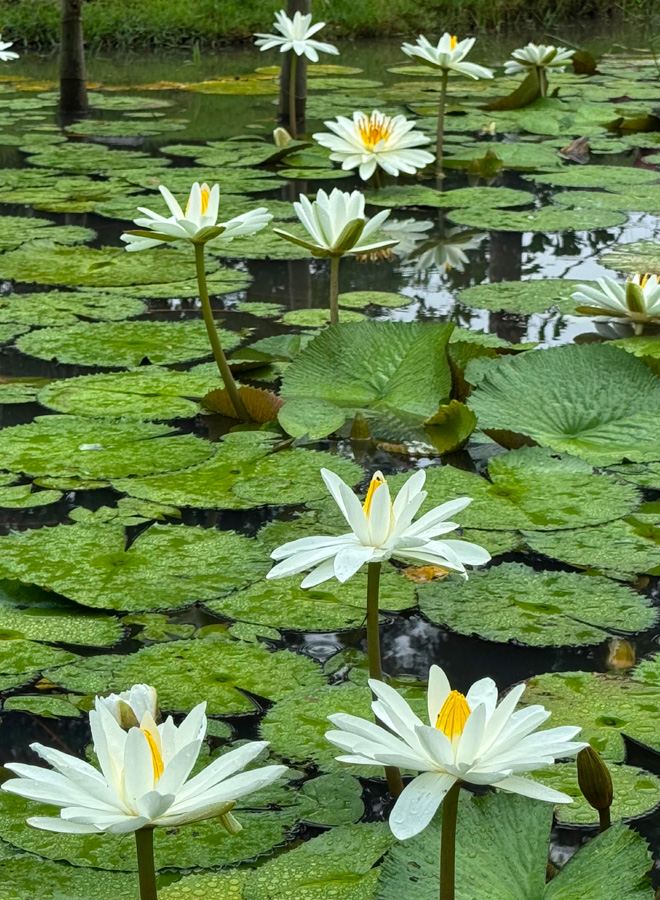
Regenerating the landscape
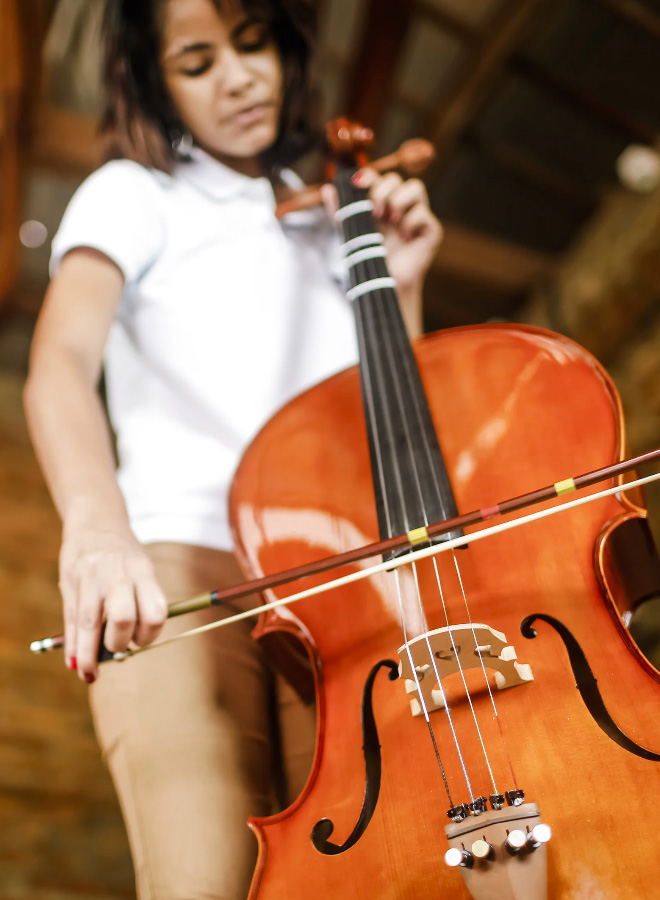
Sowing new futures
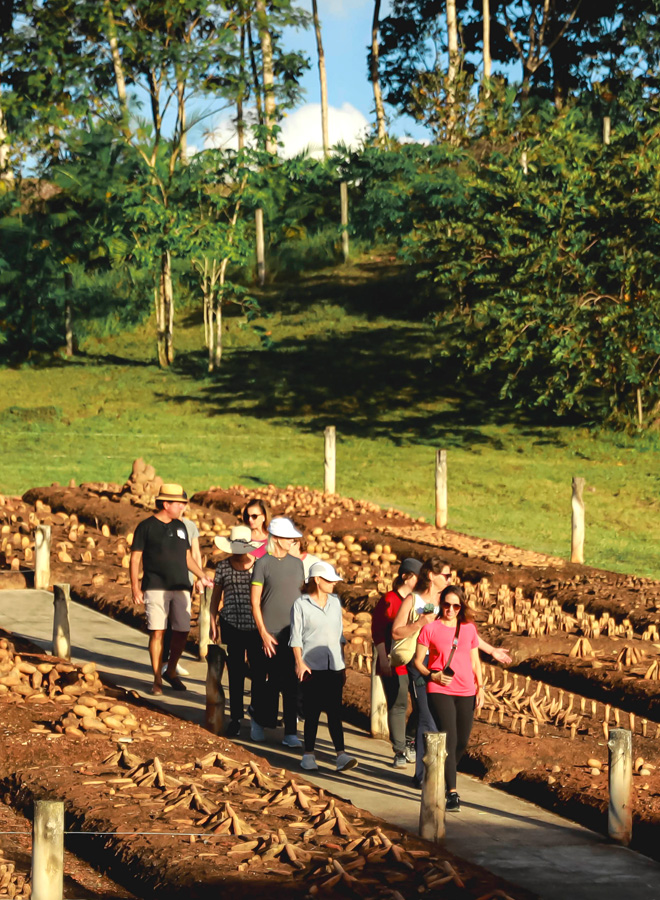
Time to discover