Transforming a territory also means expanding the possibilities of those who live there. And education is one of the most important forces in this process.
Since the project began, we have believed that access to knowledge, art, culture, technology, and new experiences can open paths that once seemed out of reach. That is why, over the years, we have built a network of spaces, partnerships, and opportunities that are now part of the daily life of the Santa Terezinha community and of other municipalities in Pernambuco's Mata Sul region.
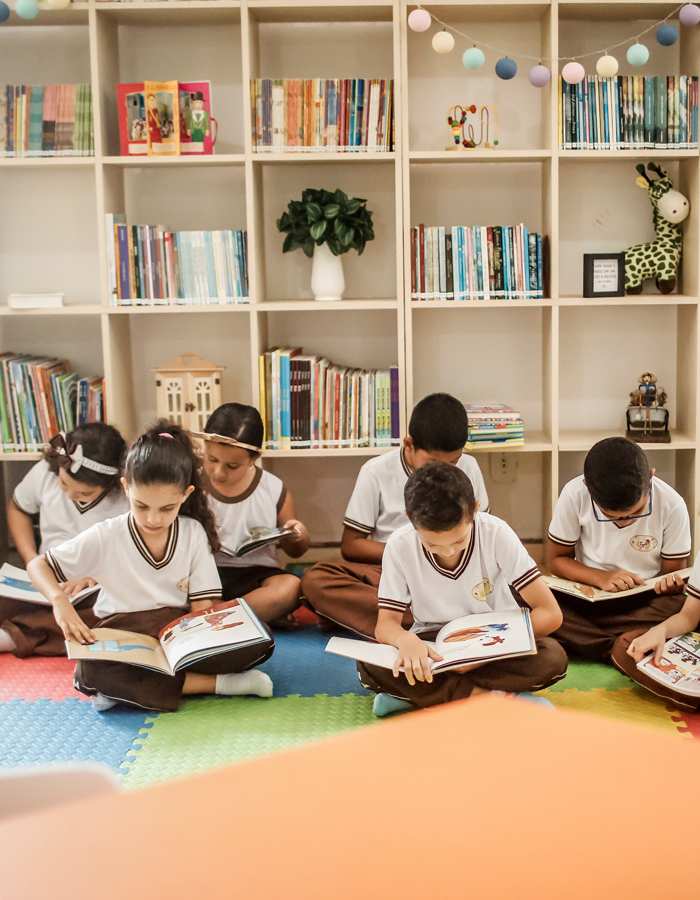
The Library and Knowledge Center, open to the public, offers books, internet-connected computers, and a range of resources for research, reading, and discovery. FabLab Mata Sul, the region's first digital fabrication laboratory, makes tools such as 3D printers, a plotter, a thermoforming machine, a CNC machine, and a laser cutter available to the community. The Music School offers free theoretical and practical training, while courses and workshops introduce young people to fields such as programming, robotics, artificial intelligence, English, photography, and other forms of expression. These are different gateways to knowledge, designed so that children, young people, and adults in the community can experiment, learn, and discover new interests.
This set of initiatives stems from the understanding that education is also about access. Access to books, instruments, technologies, teachers, artists, new ideas, and, above all, the possibility of imagining other paths.
That is why the Usina also builds partnerships with schools and educational institutions in the region, bringing its spaces and knowledge closer to the school community and helping to broaden repertoires and learning opportunities.
Over the years, we have watched children come to the Usina for the first time to visit a library, try an instrument, discover a technology, or take part in a workshop. We have seen curiosity awaken, interest turn into knowledge, and new possibilities begin to emerge.
Art has always been the path. Education, the true destination.
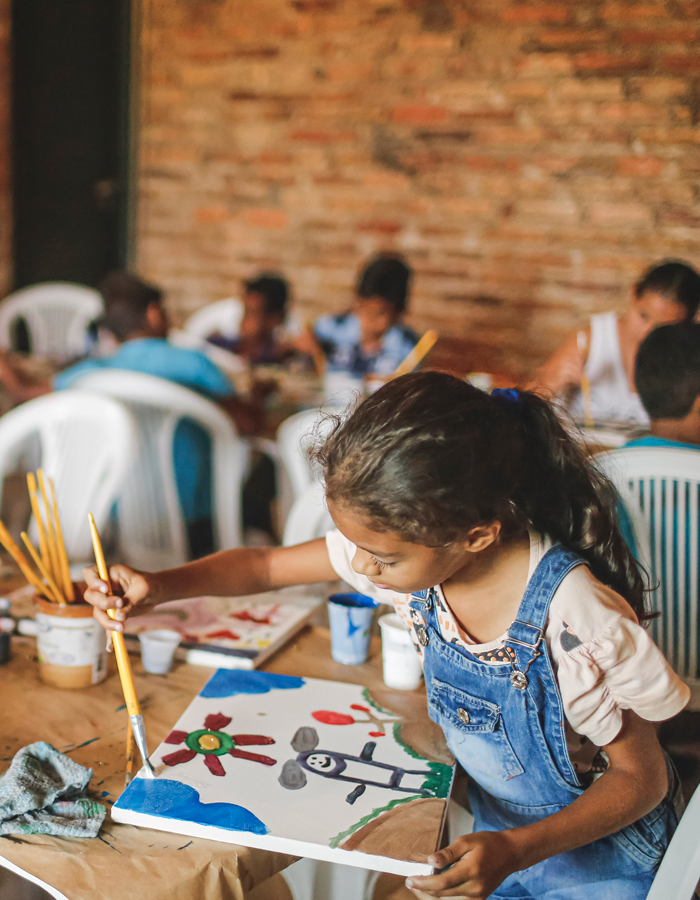
Here, art is also a way of learning.
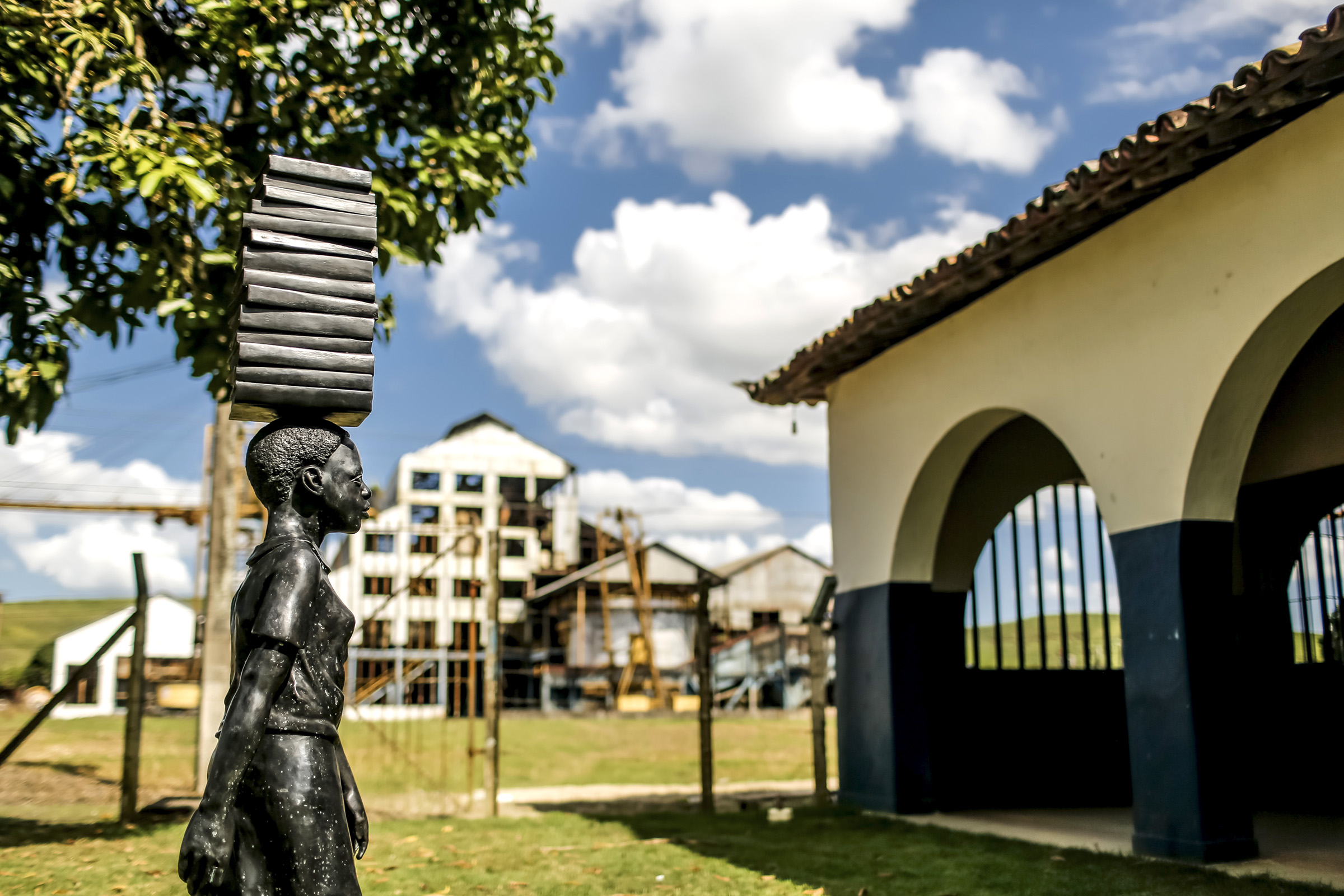
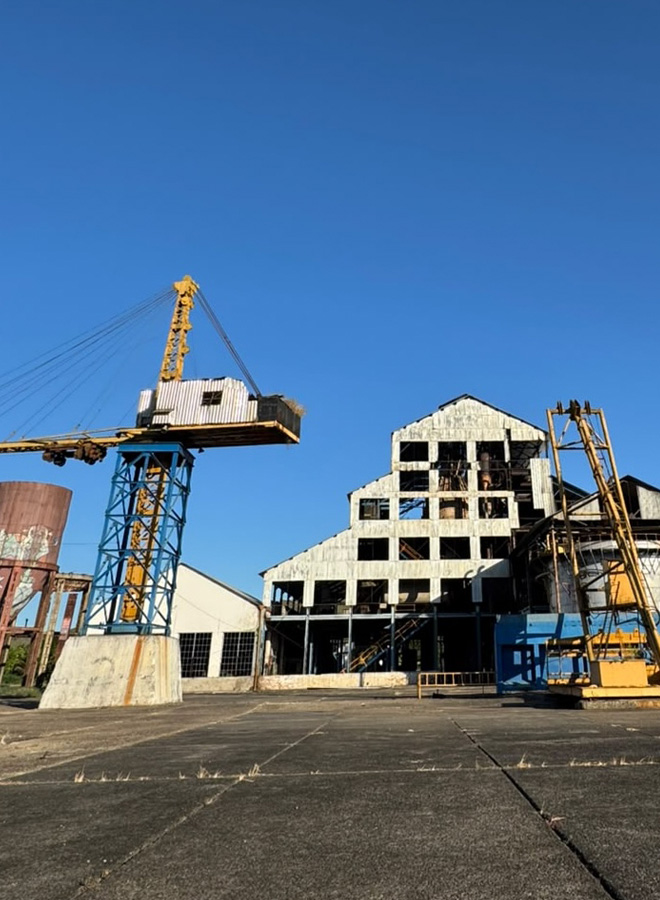
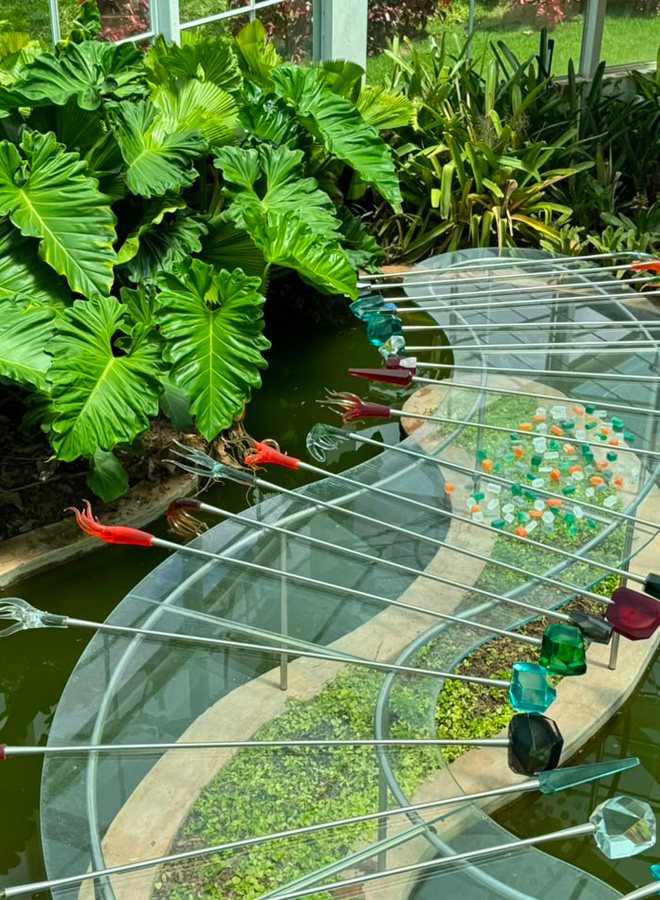
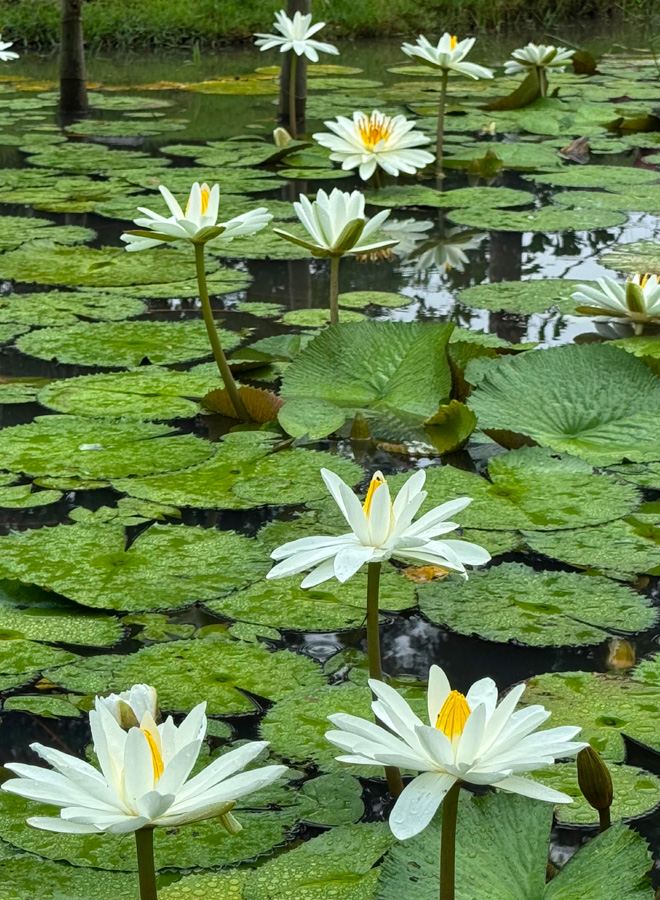
The Art and Botanical Park was designed to be much more than a place where artworks are shown to the public. Among sculptures, gardens, paths, and traces of the old mill's history, the park becomes a space for discovery, conversation, and the building of knowledge. Here, the landscape also teaches, and each work can be the starting point for a question, a story, or a new way of looking at the world.
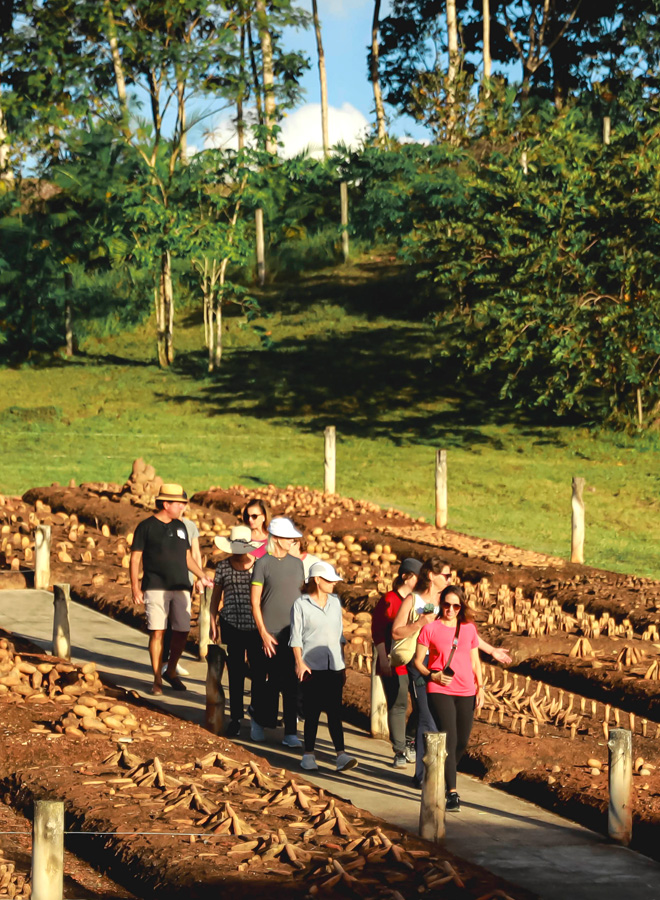
This is where Usina de Arte's Museum Education department works. Established in 2026 in partnership with the Fundação Museu Escola, it strengthens the relationship between the Usina, schools, and the community. Its work includes guided visits for different audiences, training for teachers, and art and education workshops for visitors and residents of Vila Santa Terezinha.
More than presenting the works, mediation seeks to create encounters. Through conversation, observation, and experience, children, young people, and adults are invited to build their own relationships with art and with the place where it happens.
The work also extends to those who teach. In dialogue with schools and teachers in the region, the Usina develops training activities that use the park and its works as teaching tools. The experience lived here can then travel onward, cross the Usina's borders, and reach classrooms, multiplying learning opportunities.
At the same time, the Usina is a training ground for a new generation of educators and cultural mediators. By bringing students and professionals into this field, which is still growing in Pernambuco and in Brazil, the project helps strengthen museum education as an area of knowledge, work, and transformation.
In this way, the relationship between art and education unfolds in many directions: in the work that sparks a child's curiosity, in the question that arises during a visit, in the teacher who finds a new way to teach, and in the young person who discovers in cultural mediation a possible future.
At the Usina, the park is also a classroom. And learning from art is, above all, learning to see.
Bookings, questions, and information about guided visits:

xxxxxxxxx
xxxxxxxxxx
Where paths begin
Regenerating the landscape
Time to discover